Finding America’s Farmworkers: Reaching Out in North Carolina
When I moved to North Carolina from Chicago in 2005, I had no idea that so much of our nation’s food was still harvested by hand. Now, twenty years later, that hasn’t really changed. Much of the produce in any grocery store–the peppers and melons and berries and whatnot–is still picked by human hands.
What has changed is the number of so-called guestworkers those hands belong to. These are the citizens of other countries who leave their families for the better part of every year to work in US crop fields, authorized by an H-2A temporary seasonal visa. In the early 2000s, the number of H-2A workers across the US hovered around 50 or 60 thousand. Now it’s almost half a million. Most are from Mexico. Most are dads.
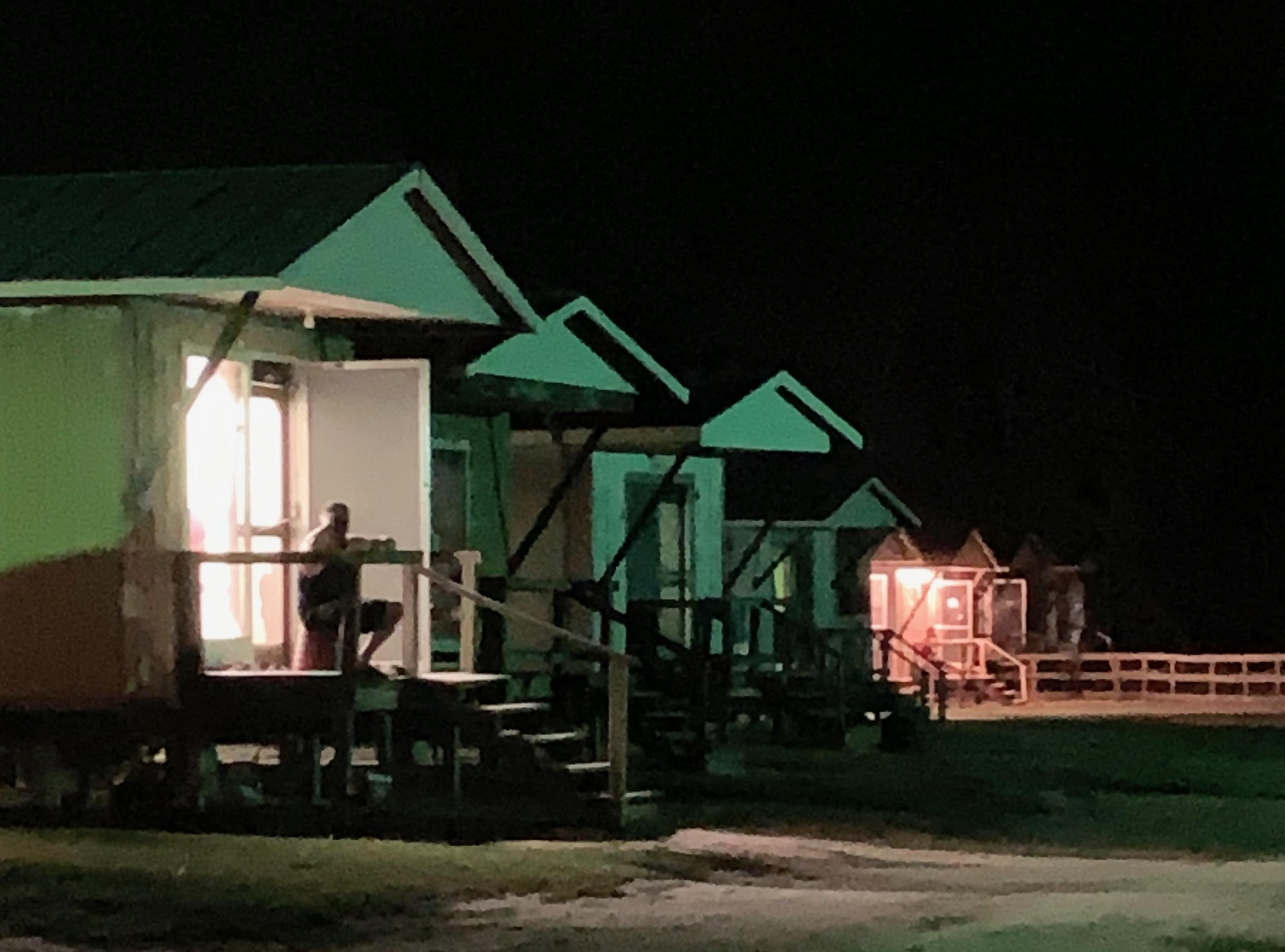
To the Mexican farmworker, the appeal of going north each year is obvious. Here, they can earn in one hour what might take two days back home. But they must live apart from their families for the better part of each year–typically 6-9 months, often longer–and live in a labor camp that may or may not comply with even the barest of housing standards.
For many years, no state brought in more H-2A workers than North Carolina. The nation’s very largest H-2A employer is here, as is one of the nation’s only farmworker unions. It’s an ideal place to peer into what works well in the H-2A program and what does not. In North Carolina one can also get a glimpse of true family farming operations, struggling to make ends meet, who depend on H-2A labor. There are scores of those. For the past few years I’ve been diving deep into this little known world, trying to understand it. I’ve done my best to convey what I learned in my book Finding America’s Farmworkers: Reaching Out in North Carolina.
With the second Trump administration now getting underway, nobody knows what’s in store for the army of guestworkers who depend on the H-2A program to feed their families–nor for the growers who depend on it to feed theirs. There were no day one executive orders aimed directly at the H-2A. Changes are expected, especially for US farmworkers outside the H-2A program, struggling moms and dads lacking work authorization, now at risk of being swept up in mass deportations.
In recent years, the population of agricultural guestworkers in the US has exploded. It’s not inconceivable that growth has just begun. If we are to continue growing food in this country, somebody must harvest all those peppers, melons, and berries. We may also see expansion of the guestworker program in other industries.
Before that happens, I hope we will consider what things are like today for all the homesick dads who work in our fields.
 Michael Durbin